★★★★☆4.8(425 reviews)
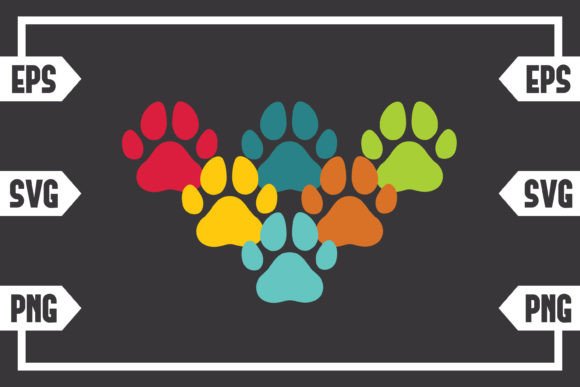
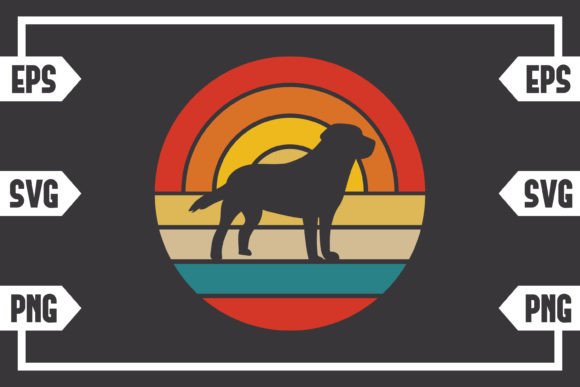
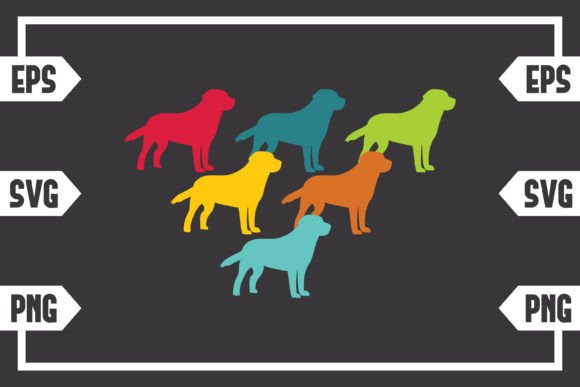
Retro Colors Dog
Considerations for Specific Applications
- Small Hoop Sizes: While the design works well in standard hoops, it may require adjustment for smaller ones to maintain clarity.
- Textured Fabrics: The Retro Colors Dog design holds up reasonably well on textured surfaces, but additional stabilizer might be needed for best results.
- Dark Fabric: Test thread colors against dark backgrounds to ensure visibility and vibrancy.
- Stretchy or Thin Fabrics: These materials may require careful handling to prevent distortion or puckering.
- Curved Surfaces: The design is suitable for curved areas like caps or hats, but the placement should be adjusted for even distribution.
- Dense Stitch Areas: The Retro Colors Dog has minimal dense areas, which is a plus for reducing tension during stitching.
- Decorative Accents: The design is simple enough to serve as a standalone feature or complement other elements on a project.
Practical Design Notes for Embroidery Professionals
- Test on Scrap Fabric: Always test the design on scrap fabric to ensure it performs as expected.
- Check Thread Color Contrast: Ensure the chosen thread colors provide good contrast against the fabric background.
- Review Stitch Density: Confirm that the stitch density is appropriate for the intended use and fabric type.
- Confirm Hoop Size: Use a hoop size that accommodates the entire design without stretching or distorting it.
- Inspect Small Details: Pay attention to fine details, especially if the design will be used on small items like patches or caps.
- Test in Black and White Mockups: This helps identify potential issues with contrast and clarity.
- Compare Light and Dark Backgrounds: Ensure the design looks good on both types of fabric.
- Use Proper Stabilizer: Select a stabilizer that supports the fabric type and design complexity.
- Check Licensing: If planning to sell finished items or digital products, confirm the licensing terms before proceeding.
⬇️ Download Free
Free download · No sign-up required